
CHOLESTEROL BUSTING

It’s a fact! Cholesterol causes heart disease…or is there more to this than meets the eye? It seems that cholesterol gets bad press, yet this an essential part that our body provides and is the basis upon which our bodies make sex hormones such as ‘testosterone’ and adrenal hormones such as cortisone as a response to stress. It also forms the structure of every cell wall to stop us dehydrating and very importantly it lines each and every neuron and axion of the brain (called white matter) to allow nerve conduction. When this sheath breaks down you get problems with cognition and ataxia (reduced control of body movements). It’s also the basis for vitamin D synthesis (sunlight helps this process) and therefore boosts our immune systems.
Really important stuff, vital. The liver produces cholesterol in much larger amounts than you can get in your diet for all the above roles so it helps to understand this bigger picture if you are to help reduce your levels if your Doctor has told you they are high. Please check the details and get a second opinion as although cholesterol lowering drugs are THE most prescribed drug in Australia, ischemic heart disease is still the leading cause of death, closely followed by dementia, an interesting correlation.
The problems with an imbalance in high and low density cholesterol occur when too much of the low density lipoproteins end up on your arterial walls, reducing blood supply to the heart and thus can cause heart attacks.
Regular readers of this column will remember the comparisons of oils showing the ‘good oils’ being the Omega 3 fatty acids that lower cholesterol such as fish oil, linseed oil, walnut oil (and therefore walnuts) and extra Virgin olive oil. And that ‘trans-fats’ that are in margarine, chips and many long storage shelf foods made from vegetable fats are just far more detrimental than animal fats on cholesterol levels.
Recent research shows that, as cholesterol is the way animals store excess carbohydrates, a diet high in processed carbohydrates forces the liver to work hard to store it away and therefore it can result in an imbalance between the good and ‘bad’ kinds of cholesterol. Real whole foods are always the key.
Garlic has been shown to markedly reduce both cholesterol and benefit blood lipid profiles while aiding weight loss, as does hawthorn berry, oats, apple pectin, beans and legumes (including green beans, lentils, and red kidney beans) and all plant fibres help to flush the liver reducing cholesterol. Lecithin assists in the dispersion of fats (like bile and dishwashing liquid). Citrus is also great at breaking down fats, as is Pu Erh tea, a fabulous fermented tea that produces naturally occurring statins (cholesterol flushing chemicals) that naturally lower high ‘bad’ cholesterol. It tastes great too. Also drink hot tea, not cold drinks when you eat fatty foods as this congeals the fats making them harder to disperse.
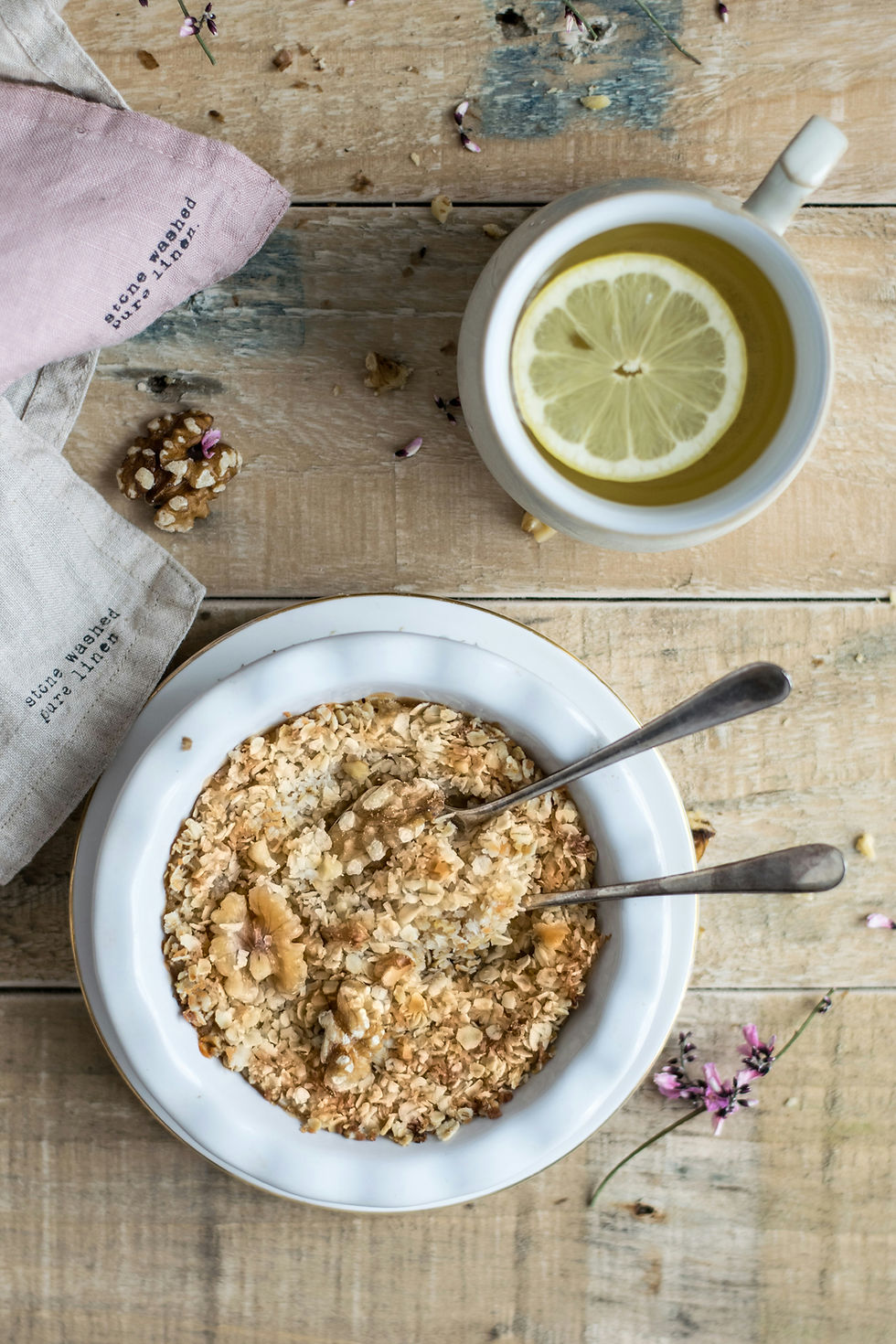
Hugely important too is stress levels. You can eat only good foods and still have high cholesterol as your liver makes it in response to stress (see cortisol). Eliminating processed carbohydrates such as white sugar, white bread, cakes etc is vital. Still do eat whole grains and if you eat bread, make it a whole grain spelt, sourdough or mixed grain sourdough. Exercise can help here as it’s vital to move blood and flush the liver as well as reducing stress. A half hour bout twice day is all you need but it should not be work related, it needs to be recreational to reduce stress levels!! So to sum up, eat good whole foods, start your day with a healthy breakfast, relax and get active in a way that makes you feel good and you will have a very happy heart!
Until next time
Stay well
Dr Angela Palmer
Chinese Medicine
B.AppSc Human Biology
B.AppSc Chinese Medicine


Comments